As the sun rises over Thoarnhuom Payam in Panyijiar County, Nyajang Kuony Kham begins another
day of caring for her six children. Like many women in the area, her day is filled with household
chores, searching for food, and finding ways to provide for her family despite difficult circumstances.
For Nyajang, these responsibilities have rested solely on her shoulders for more than a decade.
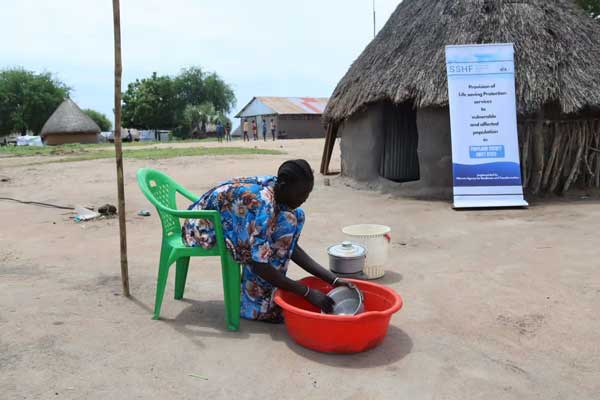
Figure 1 Nyajang washing utensils in her home, in Thoarnhuom Payam, Panyijiar County. Photo by Abraham Khor Kuony/WART/2026
Background and Challenges
In December 2013, when conflict erupted in South Sudan, her life changed dramatically. At the time, she was living with her husband and children and looked forward to a stable future. However, her husband, who was serving as a soldier, disappeared during the violence. Since then, she has never received any information about his whereabouts.
“I have waited for many years without knowing what happened to my husband,” Nyajang says. “Sometimes I still think about him and wonder if he will ever come back.”
Since his disappearance, Nyajang has become the sole provider for her family. Farming was once her main source of food, but years of flooding in Panyijiar County have repeatedly damaged farmland and reduced harvests. Meeting her children’s needs has become increasingly difficult.
“There were days when I felt like I had nobody to talk to,” she recalls. “I worried about feeding my children and solving our problems, but I kept everything inside.”
The pressure of caring for six children alone, combined with uncertainty about her husband’s fate, often left her feeling isolated and overwhelmed.
Discovering the Women and Girls Friendly Space
One day while collecting firewood, Nyajang heard women singing and talking nearby. Curious, she followed the sound and discovered a Women and Girls Friendly Space supported by the Women Agency for Resilience and Transformation (WART) under the Life-Saving Protection Services Project supported by SSHF.
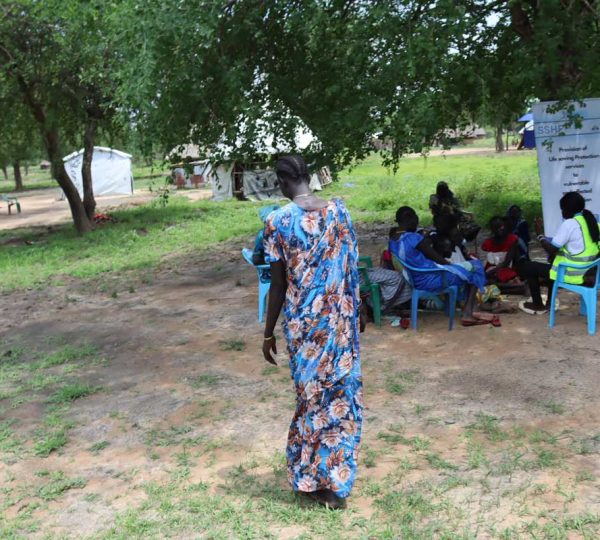
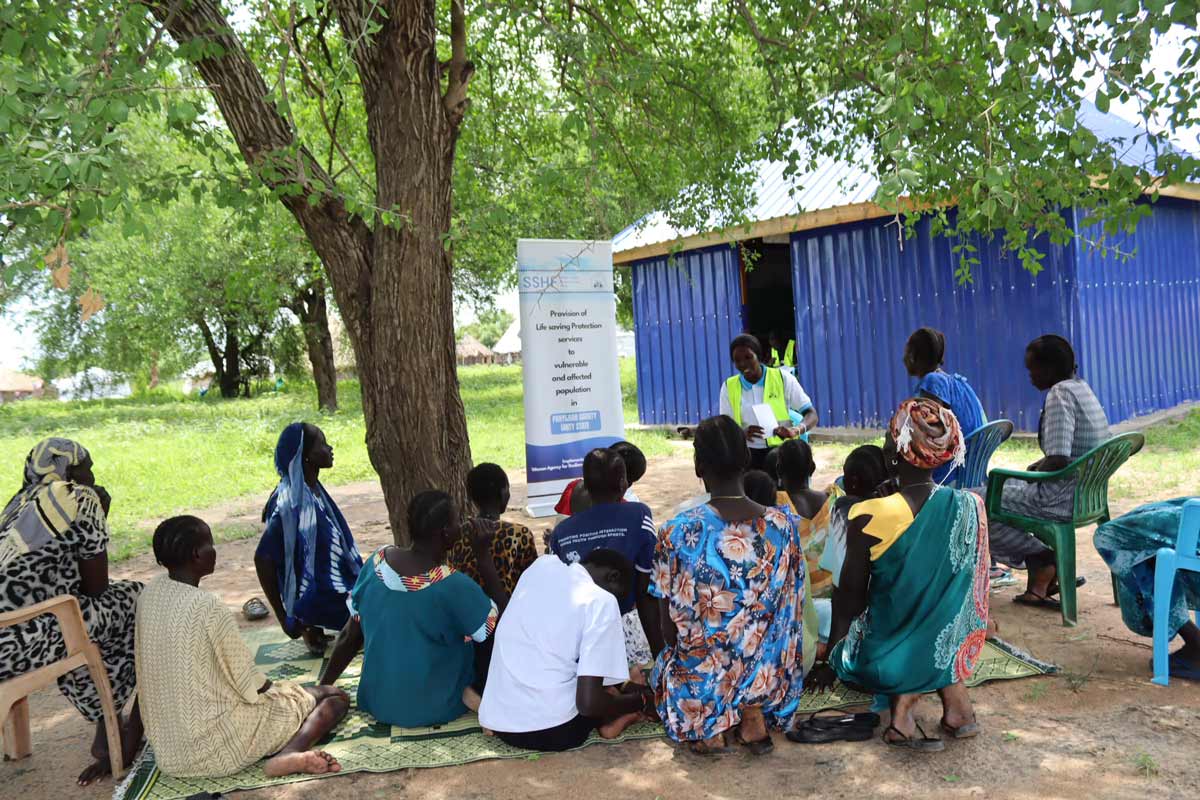
Figure 2 Nyajang Joining the WGFS in Thoarnhuom Payam, Panyijiar County for PSS session. Photo by Abraham Khor Kuony/WART/2026
Through regular psychosocial support sessions and group discussions, Nyajang meets with other women facing similar challenges. Sitting together, they share experiences, discuss their concerns, and encourage one another to keep moving forward despite the hardships they face.
“As I listened to other women, I realized I was not the only one facing difficulties,” she says. “Sharing our experiences helped me feel lighter and gave me courage to keep moving forward.”
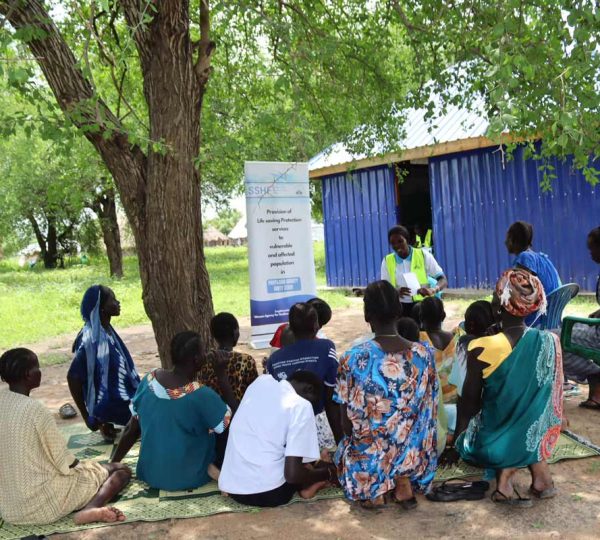
Figure 3 Nyajang Participating in the PSS session in WGFS. Photo by Abraham Khor Kuony/WART/2026
Project Support and Future Growth
In addition to the psychosocial support activities currently taking place, participants at the Women and Girls Friendly Space are expected to benefit from other project activities as implementation continues. These include integrating skills-mentorship opportunities such as soap making, beadwork, and crocheting, which are intended to help women develop practical skills and strengthen their ability to support themselves and their families. Nyajang is also hopeful to benefit from cash assistance planned under the project to help vulnerable households meet urgent needs and reduce their vulnerability.
Beyond the group sessions, Nyajang has also received individual support and counselling from project staff. Having someone who listens to her concerns and guides her through difficult moments has helped her regain confidence and feel more hopeful about the future.
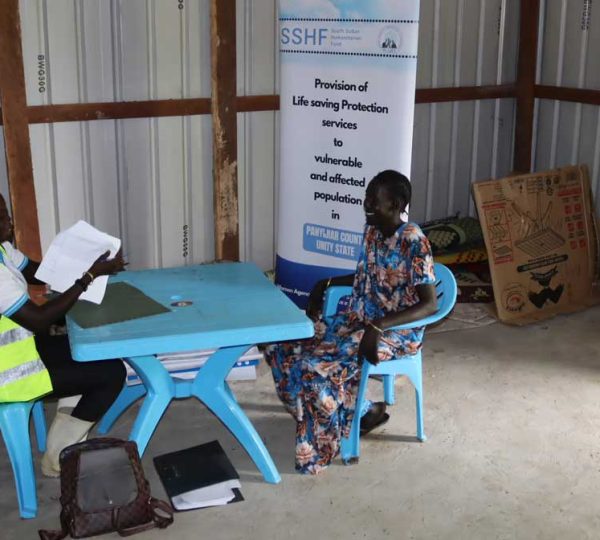
Figure 4 PSS Officer during a one-on-one session with Nyajang in the WGFS in Thoarnhuom Payam, Panyijiar County. Photo by Abraham Khor Kuony/WART/2026
“The counselling sessions helped me speak openly about what I was going through,” she explains. “I now feel stronger than before, and I know there are people who can support me when I need help.”
Looking to the Future
Today, Nyajang participates actively in discussions at the Women and Girls Friendly Space and feels more comfortable seeking support when challenges arise. The friendships she has built through the group continue beyond the sessions, creating a network of women who support one another in their daily lives.
Looking ahead, she hopes more women facing hardship will take advantage of the support available through the project. She is also optimistic about the opportunities that the planned livelihood skills mentorship and cash assistance could provide for women like herself who are working to rebuild their lives.
“I want other women who are struggling to know that they are not alone,” she says. “When we come together, we learn from each other, support one another, and find hope again.”
For Nyajang, the Women and Girls Friendly Space is more than a place to meet. It is a place where she found understanding, encouragement, and the confidence to keep moving forward.
Through the Life-Saving Protection Services Project supported by SSHF, vulnerable women are not only receiving immediate psychosocial support but are also being connected to opportunities that can help strengthen their wellbeing and reduce their vulnerability in the future.